
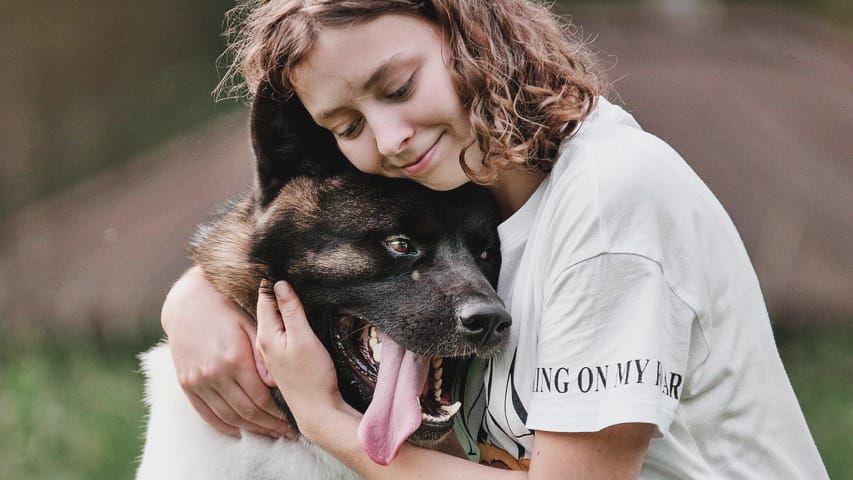
Veterinary care in the United States has become more advanced in recent years. From digital X-rays to emergency surgeries and specialist treatments, pets are getting high-quality medical attention that was once rare. At the same time, medical costs for animals have risen sharply. A single emergency visit may cost hundreds or even thousands of dollars. Many Americans choose pet insurance to protect themselves from unexpected expenses and give their pets consistent care without worrying about bills. Choosing the right pet insurance plan requires research, comparison, and realistic expectations.
This long, detailed guide explains how pet insurance works, what policies cover, what to avoid, and smart steps that help pet owners make confident decisions.
Why Pet Insurance Is Increasing in the U.S.
More people view animals as family rather than property. Pets now receive routine checkups, dental treatments, behavioral therapy, and preventive care. While this is positive, the financial burden can be stressful. Insurance exists to reduce that stress.
Key reasons for increased insurance interest:
- Higher veterinary treatment costs
- Increased number of indoor pets in apartments
- Advanced procedures becoming common
- Long lifespans of modern pets
- Nationwide availability of pet insurance companies
Insurance makes veterinary expenses predictable and manageable. Owners are more likely to get medical help quickly when insurance supports costs.
Types of Pet Insurance Coverage
Different plans cover different situations. Understanding the categories helps prevent surprises later.
Accident-Only Plans
These cover unexpected events like broken bones, swallowed objects, or injuries from falls. Accident-only policies usually have lower monthly premiums. They are suitable for healthy pets and families on tight budgets.
Accident and Illness Plans
This is the most common coverage in the U.S. It includes accidents plus medical issues like infections, allergies, vomiting, ear problems, or skin conditions. It is broader and provides peace of mind for long-term care.
Comprehensive or “Best” Plans
These may also include:
- Hereditary conditions
- Chronic disease management
- Cancer treatments
- Diagnostic testing
- Prescription medications
Comprehensive coverage costs more but reduces major risk.
Wellness and Preventive Add-Ons
These are optional benefits added to core plans. They may cover:
- Vaccinations
- Routine exams
- Flea and tick prevention
- Dental cleaning
- Spay/neuter surgery
Preventive care helps pets stay healthy, reducing expensive emergency treatments later.
Key Terms to Understand Before Buying Insurance
Insurance has terminology many pet owners overlook. Knowing these terms simplifies plan comparison.
Premium
The amount paid monthly or yearly for insurance coverage.
Deductible
The amount paid out of pocket before insurance starts covering costs.
Reimbursement Rate
Percentage of the vet bill the insurance company will pay after deductible. Common choices: 70%, 80%, or 90%.
Annual Limit
Maximum coverage allowed per year. Some plans have unlimited annual coverage; others have fixed dollar limits.
Understanding these four parts helps identify the true cost of a plan.
Factors That Influence Pet Insurance Cost
Several variables affect pricing in America:
- Pet Age – Younger pets have lower premiums and fewer pre-existing conditions.
- Breed – Some breeds have genetic risks, increasing cost.
- Location – Veterinary prices vary by state, city, and even neighborhood.
- Coverage Level – Higher reimbursement and lower deductibles increase cost.
- Pet Type – Dogs usually cost more than cats to insure.
Taking these into account prevents sticker shock later.
Comparing Different U.S. Pet Insurance Policies
Before buying insurance, compare multiple plans side by side. Focus on:
- Monthly premium
- Deductible options
- Reimbursement percentages
- Annual coverage limits
- Coverage for hereditary diseases
- Dental illness coverage
- Behavioral treatment coverage
- Emergency care policies
A comparison chart, even handwritten, helps visualize value quickly.
What Most Basic Plans Do Not Cover
Many pet owners misunderstand limits and exclusions. It is better to know them before enrollment.
Common exclusions include:
- Pre-existing conditions
- Breeding costs
- Cosmetic procedures
- Claw trimming
- Ear cleaning
- Microchipping
- Boarding or grooming
Insurance protects against medical problems, not routine maintenance.
Red Flags To Watch Before Signing Anything
Not all plans are equal. Some warning signs include:
- Extremely low premiums with very high deductibles
- Limited reimbursement percentage
- No coverage for chronic illnesses
- Hidden annual payout caps
- Complicated claim processes
- Long waiting periods for illness coverage
Clear, simple policies are always safer.
How To Save Money On Pet Insurance in America
Many U.S. pet owners can reduce insurance costs without losing coverage.
Choose Higher Deductibles
This lowers monthly premium cost.
Insure Pets Early
Younger pets are cheaper and avoid “pre-existing” label issues.
Avoid Unnecessary Add-Ons
Select wellness packages only if you regularly get preventive care.
Pay Annually Instead of Monthly
Some companies offer discounts.
Multi-Pet Discounts
Families with more than one pet can save significantly.
Smart saving strategies make insurance accessible for average households.
Simple Steps to Choose the Best Plan
Step 1 — Determine Budget
Decide how much you can afford monthly.
Step 2 — Identify Desired Coverage
Choose between accident-only or accident-plus-illness.
Step 3 — Compare At Least 3 Plans
Side-by-side comparison clarifies value differences.
Step 4 — Evaluate Claim Process
Fast, easy claim submission reduces stress during emergencies.
Step 5 — Read Policy Details Slowly
Most issues come from misunderstanding small print.
Frequently Forgotten Coverage Areas
Some useful coverage categories that many people overlook:
- Orthopedic issues in large dog breeds
- Hip dysplasia
- Congenital heart problems
- Diabetes management
- Chronic skin allergies
- Cancer treatment
- Specialist consultations
Illness insurance is valuable where hereditary risks are higher.
Example Real-Life Medical Situations Insurance Can Help With
- Foreign object ingestion requiring surgery
- Dental extraction for infected tooth
- Severe ear infection needing medication
- Allergy treatment and testing
- Broken leg from jumping off furniture
- Emergency seizure care
- Tumor removal
These situations can cost hundreds or thousands without insurance support.
Understanding Waiting Periods
Insurance does not start immediately. Most policies have waiting periods so people cannot enroll only after emergency situations.
Typical waiting time:
- Accidents: 1–3 days
- Illness: 2–14 days
- Orthopedic conditions: 6 months or more
Knowing this prevents denial of first claims.
How Claims Usually Work
- Visit veterinarian
- Pay bill upfront
- Submit claim with records
- Insurance reviews claim
- Reimbursement arrives within a few days to a few weeks
Clear documentation speeds up approval.
Is Pet Insurance Worth It?
Insurance is valuable for most American households because vet bills are unpredictable. Even healthy young pets can suffer injuries or sudden illnesses. When insurance assists costs, decisions become less about money and more about best medical care.
Pets with recurring problems benefit most from ongoing coverage. Even a single emergency surgery can justify multiple years of premium payments.
Conclusion
Choosing the right pet insurance plan in America requires understanding coverage types, reading details carefully, and comparing multiple options. A good plan balances monthly cost with protection for accidents, illnesses, and long-term conditions. Paying attention to deductibles, reimbursement rates, annual limits, and waiting periods leads to smarter decision-making. Pet insurance supports responsible ownership and offers peace of mind when unexpected medical issues arise.
Disclaimer
This article is informational only. It does not provide professional insurance advice. Every pet and household has different financial needs. Consult licensed insurance providers, veterinarians, or financial professionals before purchasing a policy or making decisions about coverage options.