
Introduction
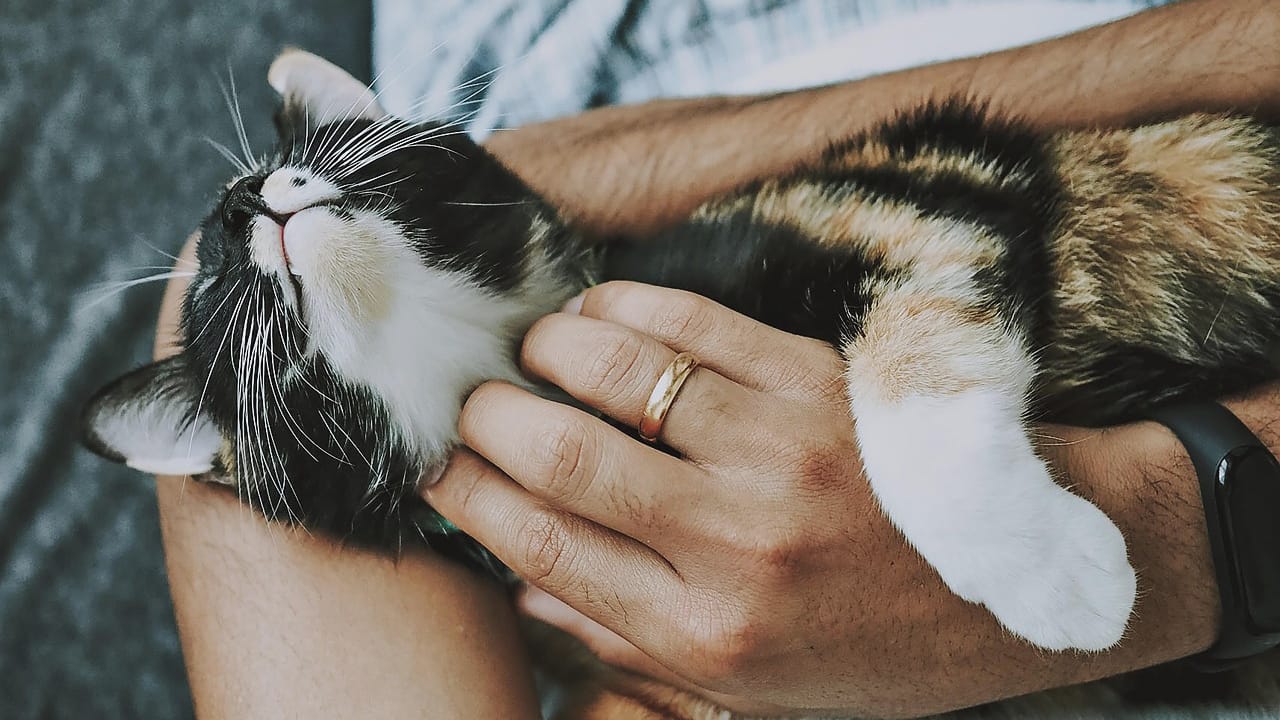
Pet anxiety is one of the most common behavioral issues in dogs and cats in the United States. It affects pets of all ages, breeds, and sizes. Anxiety can be triggered by loud noises, separation from owners, travel, past trauma, or sudden changes in routine. Many pet parents think anxiety is just temporary behavior, but repeated stress can affect long-term health, sleep, appetite, and social habits. Understanding the causes and learning simple, calming strategies can improve your pet’s emotional well-being and create a happier, healthier lifestyle.
Understanding Pet Anxiety
Pet anxiety is a natural response to fear, uncertainty, or overstimulation. It can show up slowly over time or suddenly during specific events.
Common causes of anxiety in pets include:
- Separation from owners
- Sudden loud sounds (fireworks, thunder, construction)
- Moving to a new home
- Travel and car rides
- Disruption of daily routine
- Past abuse or negative experiences
- Strangers or new animals in the house
- Boredom and lack of mental exercise
Anxiety is not a sign of a “bad pet.” It is a sign that your pet needs support, security, and a predictable environment.
Recognizing Anxiety Symptoms
Pets cannot talk, so recognizing early signs matters. Anxiety symptoms look different in dogs and cats.
Anxiety signs in dogs:
- Constant barking or whining
- Drooling and panting
- Pacing around the room
- Trying to hide or cling to you
- Chewing furniture or destructive behavior
- Shaking or trembling
- Tail tucked between legs
Anxiety signs in cats:
- Hiding under furniture
- Excessive grooming
- Aggressive swatting or biting
- Refusing food
- Scratching doors or walls
- Dilated pupils
- Restlessness during nighttime
Early recognition helps prevent anxiety from turning into serious behavioral issues.
Types of Pet Anxiety
1. Separation Anxiety
The most common type, especially in dogs. Pets panic when left alone at home.
2. Noise Anxiety
Triggered by fireworks, storms, gunshots, sirens, or household appliances.
3. Travel Anxiety
Happens in cars, trains, or pet carriers due to motion, smells, or unfamiliar environment.
4. Social Anxiety
Fear of strangers, new pets, or crowded areas.
5. Post-Trauma Anxiety
Seen in pets adopted from shelters, rescued pets, or pets recovering from injury.
Simple Ways to Calm an Anxious Pet (USA Practical Tips)
Below are effective and realistic anxiety-relief techniques that pet parents in the United States can use daily.
1. Create a Safe Space in Your Home
A quiet corner with soft bedding, dim light, and familiar toys provides security. Many American pet parents use:
- Covered crates
- Enclosed beds
- A designated quiet room
Safe spaces reduce stress during storms or parties.
2. Use Positive Reinforcement
Reward calm behavior with treats, praise, or gentle petting. Do not yell or punish an anxious pet; it increases fear.
3. Maintain a Regular Routine
Consistency reduces uncertainty. Try to keep:
- Feeding times
- Walking schedules
- Play sessions
- Bedtime
Predictable routines help pets feel safe and confident.
4. Mental Enrichment Activities
Pets get anxious when bored. Provide:
- Puzzle toys
- Treat balls
- Snuffle mats
- Hide-and-seek games
Mental stimulation keeps the brain active and reduces stress.
5. Physical Exercise
Daily exercise releases energy and decreases tension.
For dogs:
- Walks
- Park play
- Tug games
- Fetch
For cats:
- Feather wands
- Laser pointer sessions
- Climbing trees
A tired pet is calmer and more relaxed.
6. Calming Music or White Noise
Soft music masks disturbing sounds during fireworks or thunderstorms. Many USA households play calm background sounds during stressful nights.
7. Weighted Blankets and Calming Shirts
Items that provide gentle pressure around the body can reduce anxiety by making pets feel hugged and secure.
8. Aromatherapy with Pet-Safe Scents
Use only pet-approved calming sprays. Common scents used by USA pet parents include:
- Lavender
- Chamomile
Never apply essential oils directly to pets.
9. Slow Exposure to Triggers
Introduce triggers carefully and slowly:
Low sound volume → gradually increase → reward calm behavior.
This builds confidence over time.
10. Obedience Training for Confidence
Basic commands like “sit,” “stay,” and “come” give anxious pets structure and control.
Training creates:
- Trust
- Communication
- Focus
11. Early Socialization
Let pets meet new people and animals during early months, one step at a time.
Positive exposure reduces future fears of strangers and new environments.
12. Natural Calming Supplements
Some USA pet parents use:
- Calming chews
- Melatonin for pets
- Probiotics for gut balance
- L-theanine supplements
Always check dosage before use.
13. Slow Departure and Return Rituals
Do not make leaving or arriving home dramatic.
- Avoid big hugs before leaving
- Avoid excited greeting when entering
Neutral behavior normalizes separation.
14. Reduce Visual Stimuli
Close curtains, block windows, or lower lighting to minimize external stress.
15. Professional Behavior Therapy
Behavior specialists help pets with severe anxiety using structured plans tailored to their triggers and personality.
When to Seek Veterinary Help
Call a veterinarian if:
- Anxiety causes aggression
- Appetite decreases
- Weight loss occurs
- Self-harm appears
- Excessive grooming causes wounds
Some pets may need medicinal support along with behavioral training.
Tips for Travel Anxiety (USA Road Trip Guide)
- Let pets explore the car when parked
- Use soft carriers
- Provide familiar blanket or toy
- Maintain airflow
- Keep travel sessions short at first
Many USA pet parents find reusable travel crates helpful during long highway trips.
Common Anxiety Mistakes to Avoid
- Punishing fearful behavior
- Leaving pets alone suddenly for long periods
- Changing environment too frequently
- Ignoring subtle signs of stress
Avoiding these mistakes supports long-term emotional balance.
Conclusion
Pet anxiety is manageable when you understand triggers and apply consistent calming methods. Pets need patience, structure, and reassurance, especially in busy American households where noises, travel, and routine changes are common. By creating a secure environment, providing mental and physical stimulation, and using gentle calming techniques, you can help your furry friend feel confident and relaxed. Small improvements every day lead to long-term emotional wellness, stronger bonding, and a happier life for both pets and owners.
Disclaimer
This article provides general educational information related to pet anxiety management. It does not replace professional diagnosis, veterinary advice, or specialized treatment. Always consult a licensed veterinarian or certified animal behavior expert before using supplements, training tools, or anxiety-relief methods on your pet. Results may vary depending on individual pets and their specific needs.