
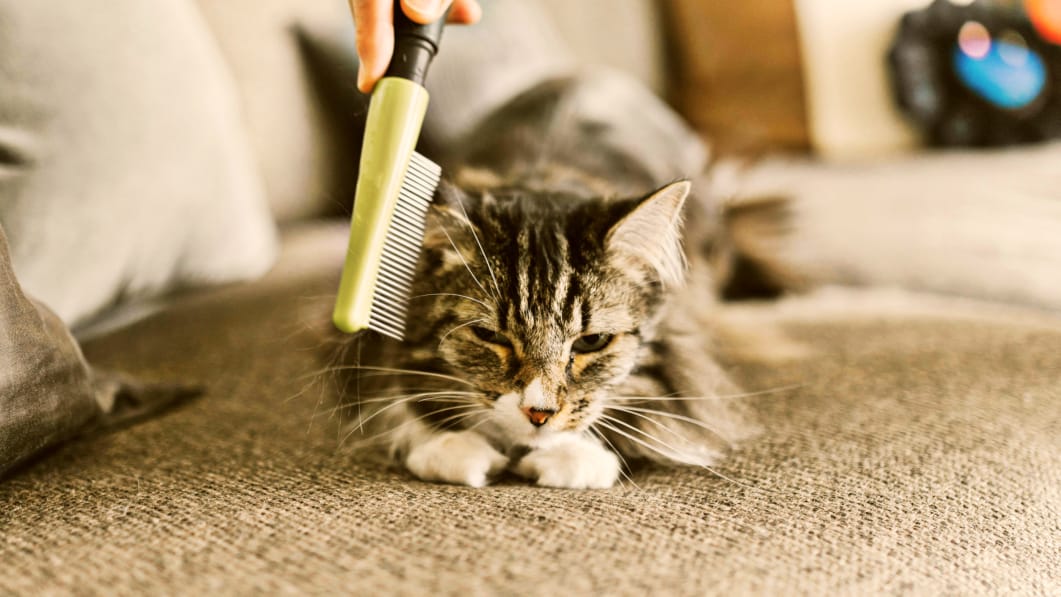
Cats look easy to take care of.
They clean themselves, sleep all day, and act like they don’t need you.
But the truth is: cats are masters at hiding problems.
A cat may look fine, but inside they can be suffering from skin issues, parasites, dental problems, or stress.
Grooming is not just about beauty. It is about:
-
hygiene
-
health
-
comfort
-
preventing disease
-
building trust
This guide is for beginners who want to do grooming the right way — without hurting the cat, without stressing yourself, and without wasting money on useless products.
1. The Real Purpose of Grooming (Not Just Hair)
Many people think grooming is only for long-haired cats.
That’s not true.
Grooming is for:
-
removing loose hair
-
preventing hairballs
-
checking for fleas/ticks
-
cleaning ears
-
trimming nails
-
keeping skin healthy
-
building trust with your cat
Why grooming matters in India:
-
Dusty environment
-
Hot weather
-
Stray cats carry fleas
-
Many homes have carpets and rugs
-
Cats often sit on balconies or windowsills
If you don’t groom properly, cats develop:
-
skin allergies
-
matted fur
-
flea infestation
-
ear infection
-
dental issues
2. When to Start Grooming Your Cat?
The best time to start grooming is from kitten age.
If you start early, cats accept grooming as a normal routine.
But if you have an adult cat that has never been groomed, don’t worry.
You can still train them.
The correct approach:
-
Start with 1–2 minutes daily
-
Gradually increase
-
Use treats and calm voice
-
Don’t force them
Cats are not like dogs.
Dogs will follow commands, but cats follow comfort.
3. Tools You Need for Cat Grooming (Basic + Advanced)
You don’t need a fancy kit.
But you need the right tools.
Basic tools:
-
Soft brush
-
Comb
-
Nail trimmer
-
Ear cleaner
-
Cat shampoo (mild)
-
Microfiber towel
-
Treats
Optional but useful:
-
flea comb
-
grooming gloves
-
dental brush
-
mat remover
-
nail file
Real-life note:
Many owners buy expensive brushes and still fail because they don’t know how to use them.
4. How to Brush a Cat (Step-by-Step)
Brushing is the most important grooming step.
Why cats need brushing:
-
cats shed hair daily
-
hair sticks to furniture
-
hairballs form in stomach
-
hair becomes matted
How often to brush:
-
Short-haired cats: 2–3 times a week
-
Long-haired cats: daily
Brushing method:
-
Start with the head
Most cats like head rubbing. -
Move to the back
Brush in the direction of hair growth. -
Brush the sides
Avoid pulling. -
Brush the belly carefully
Many cats don’t like belly brushing. -
Finish with the tail
Important tips:
-
Never brush a wet cat
-
Don’t brush too hard
-
Use a soft brush for kittens
Real problem:
Many cats hate brushing because the owner pulls the fur.
If you feel resistance, stop.
Break it into smaller sessions.
5. Handling Matted Fur (The Real Challenge)
Matted fur is common in long-haired cats.
It happens when hair gets tangled and forms knots.
Signs of mats:
-
clumpy hair
-
hard lumps
-
skin pulling
-
bad smell
-
irritation
What not to do:
-
don’t pull the mat
-
don’t cut it yourself (you may cut the skin)
How to remove mats:
-
Use a mat remover comb
-
Start from edges
-
Use small sections
-
Use treats
If mat is severe:
Take the cat to a professional groomer.
Sometimes shaving is necessary.
6. Bathing Cats: When and How (Without Stress)
Cats hate water. That’s a fact.
But bathing is sometimes necessary, especially for:
-
flea infestation
-
skin allergies
-
dirty fur
-
after a fight
How often to bathe:
-
indoor cats: once every 2–3 months
-
outdoor cats: once a month (if needed)
Bathing steps:
-
Prepare warm water
-
Use a mild cat shampoo
-
Keep water level low
-
Wet the body gently
-
Apply shampoo and massage
-
Rinse properly
-
Dry with towel
-
Keep in warm place until fully dry
Real tip:
Never use human shampoo.
It can damage cat skin.
What to do if cat panics:
-
stop immediately
-
dry the cat
-
try again after a few days
-
use a damp cloth instead of full bath
7. Ear Cleaning (Most Owners Ignore This)
Ear cleaning is very important because cats can develop ear mites and infections.
Symptoms of ear problems:
-
scratching ears
-
head shaking
-
dark discharge
-
bad smell
-
redness
How to clean ears:
-
Use a vet-approved ear cleaner
-
Put 2–3 drops in the ear
-
Massage the base for 10 seconds
-
Wipe the outer ear with cotton
-
Don’t insert cotton inside the ear canal
Real truth:
If the ear is very dirty or the cat is in pain, don’t clean yourself.
Visit a vet.
8. Nail Trimming (Most Cats Hate It)
Nails grow fast, and long nails cause:
-
scratches
-
broken nails
-
pain while walking
-
furniture damage
How often:
-
every 2 weeks
Steps:
-
Hold the paw gently
-
Press to extend the nail
-
Cut only the sharp tip
-
Avoid the pink part (quick)
If you cut too deep:
-
use styptic powder
-
apply pressure
-
keep calm
Real tip:
Trim nails while the cat is sleepy (after food or nap).It’s easier.
9. Dental Care (Most Owners Ignore This)
Dental issues are very common in cats but are often ignored.
Symptoms:
-
bad breath
-
drooling
-
yellow teeth
-
not eating properly
-
pawing at mouth
Why it happens:
-
soft food only
-
no chewing
-
poor hygiene
How to clean teeth:
-
use cat toothbrush and toothpaste
-
brush 2–3 times a week
-
use dental treats
Real truth:
Dental problems can lead to kidney disease and heart issues.It’s not only about teeth.
10. Flea and Tick Prevention (Indian Context)
India has high flea and tick prevalence because of:
-
stray cats
-
hot climate
-
humid weather
-
outdoor exposure
Symptoms of fleas:
-
constant scratching
-
hair loss
-
red skin
-
tiny black dots (flea dirt)
Prevention:
-
monthly flea treatment
-
flea comb
-
keep house clean
-
wash bedding weekly
Real advice:
If you find fleas, treat the entire house.
Only treating the cat will not solve the problem.
11. Hairballs: How to Prevent (Real Tips)
Cats groom themselves and swallow hair. Hairballs are normal, but frequent hairballs are a problem.
Signs:
-
coughing
-
gagging
-
vomiting
-
constipation
Prevention:
-
regular brushing
-
hairball control food
-
olive oil (very small amount)
-
hydration
Real tip:
If hairballs happen often, consult a vet.
It could be a digestive problem.
12. Skin Allergies and Itching (Very Common)
Many cats develop allergies due to:
-
food
-
dust
-
fleas
-
chemicals
-
perfumes
Symptoms:
-
itching
-
redness
-
hair loss
-
scabs
Prevention:
-
avoid strong chemicals
-
use mild shampoo
-
keep house dust-free
-
check for fleas
Real-life advice:
If your cat scratches constantly, don’t ignore it.
It can lead to skin infection.
13. Grooming Routine for Beginners (Simple Plan)
If you are new, follow this weekly routine:
Daily:
-
brush for 5 minutes
-
check eyes and nose
-
check for fleas
Weekly:
-
brush 2–3 times
-
clean ears
-
trim nails (if needed)
-
clean bedding
Monthly:
-
bath (if needed)
-
flea treatment
-
dental check
Seasonal:
-
more brushing during shedding season
-
extra hydration in summer
14. Grooming Mistakes Beginners Make (Avoid These)
Mistake 1: Brushing too hard
Cats hate pain.
Gentle brushing is key.
Mistake 2: Using wrong shampoo
Human shampoo causes dryness and irritation.
Mistake 3: Bathing too often
Too much bathing removes natural oils.
Mistake 4: Ignoring small signs
Small itching can become severe infection.
Mistake 5: Using cheap flea products
Cheap products may not work and can harm the cat.
15. Grooming for Special Cats (Long Hair, Kittens, Old Cats)
Long-haired cats:
-
brush daily
-
check for mats
-
professional grooming if needed
Kittens:
-
start with 2 minutes daily
-
use soft brush
-
make it fun
Old cats:
-
they may not move much
-
check joints
-
gentle grooming
-
keep nails short
16. Grooming and Bonding (The Real Benefit)
Grooming is not only hygiene.
It builds trust.
Cats are independent, but they also need connection.
When you groom your cat:
-
they feel safe
-
they learn to trust you
-
you can notice health issues early
Real tip:
Speak softly during grooming.
Use treats after every session.
Final Thoughts
Grooming is a skill, not a task.
You can’t become perfect overnight. But if you follow a simple routine, your cat will stay healthy and happy.
Remember:
A well-groomed cat is not just clean.
It is healthier, calmer, and more loving.

Dev Partap is an independent pet care content creator and blogger who writes informational articles on pet care, nutrition, behavior, and general well-being. Through Pets of Paradise, he shares research-based knowledge, practical tips, and everyday pet care insights to help pet owners better understand and care for their animals. His content is intended for educational purposes only and encourages readers to consult qualified professionals when needed.