
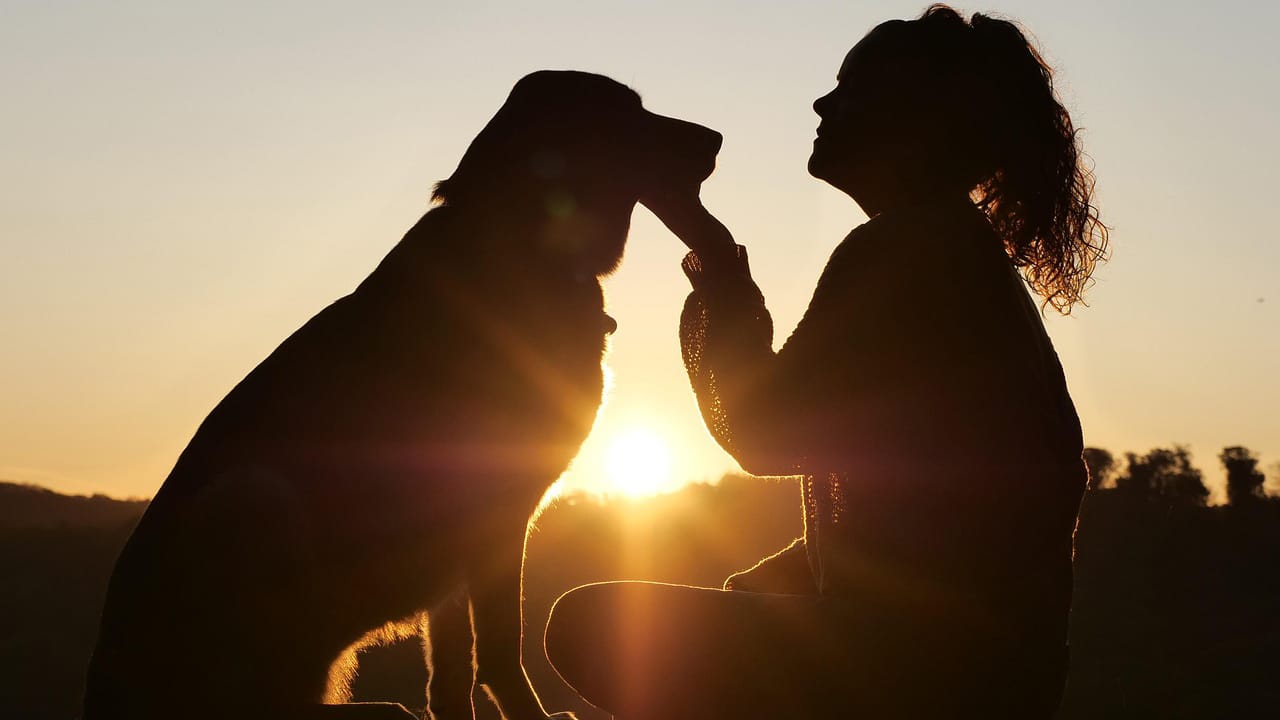
Caring for a senior dog requires patience, understanding, and consistent attention. When dogs reach older age, their physical, emotional, and nutritional needs change. Many pet owners in the USA are unaware of early signs of aging and the adjustments required in daily care. This guide explains how to recognize senior dog needs, provide proper nutrition, support mobility, manage health changes, and maintain mental well-being. With the right care, senior dogs can live comfortable, happy, and active lives at home.
When a Dog Is Considered “Senior”
A dog’s senior age depends on breed and size. Smaller breeds often live longer than large ones. General guidelines include:
- Small dogs: Senior at 10–12 years
- Medium dogs: Senior at 8–10 years
- Large dogs: Senior at 6–8 years
- Giant breeds: Senior at 5–6 years
Aging varies, so behavior changes, mobility shifts, and health issues should be observed actively.
Common Signs of Aging in Dogs
Senior dogs show physical and behavioral changes such as:
- Reduced energy
- Slower walking
- Grey hair around the nose
- Weight gain or weight loss
- Difficulty standing or climbing
- Cloudy eyes
- Increased sleep
- Bad breath
- Stiff joints
Noticing early signs helps pet owners take preventive steps and reduce discomfort.
Senior Dog Nutrition Needs
Nutrition plays a major role in senior dog health. Aging dogs need controlled calories, high-quality protein, and joint-supporting supplements.
Important food factors:
- Balanced protein
- Omega fatty acids
- Low sodium levels
- Easily digestible ingredients
- Adequate fiber
Recommended additions:
- Glucosamine
- Chondroitin
- Fish oil
- Antioxidants
- Probiotics
Switching to senior-specific dog food formulas provides better energy maintenance and digestion.
Hydration and Feeding Tips
Senior dogs may drink less water and become dehydrated easily. To prevent this:
- Increase water bowls in the house
- Add broth to food (low sodium)
- Offer wet food to increase moisture intake
Smaller, more frequent meals reduce digestive stress and keep energy stable.
Exercise for Senior Dogs
Exercise helps maintain muscle strength, mobility, mental health, and overall body function in older dogs. The goal is gentle movement, not high-intensity workouts.
Safe USA indoor activities:
- Slow walks around hallways
- Soft tug toys
- Gentle stair exercises
- Short fetch sessions
Outdoor low-impact activities:
- Slow neighborhood walks
- Grass playtime
- Short park visits
Avoid activities that require sudden jumps, sharp turns, or long running.
Joint Care and Mobility Support
Senior dogs often experience arthritis, hip stiffness, or discomfort in movement. Support options include:
- Soft bedding
- Elevated food bowls
- Joint supplements
- Non-slip floor mats
- Moderate stretching exercises
Massage helps improve circulation and provides relaxation.
Health Checkups and Routine Veterinary Care
Regular veterinary visits are essential for early detection of diseases in senior dogs.
Key checkup areas:
- Dental health
- Eye clarity
- Weight range
- Heart and lung function
- Kidney and liver values
- Joint condition
Dogs may require bloodwork once or twice a year to monitor internal health changes.
Dental Care for Senior Dogs
Dental issues can increase as dogs age. Poor dental hygiene can cause pain, behavior changes, and difficulty eating.
Dental steps at home:
- Soft toothbrush cleaning
- Dental chew treats
- Regular gum inspection
Professional cleanings may be needed for tartar control.
Grooming for Older Pets
Senior dogs often enjoy calm grooming sessions that provide physical and emotional comfort.
Grooming checklist:
- Gentle brushing
- Nail trimming
- Ear cleaning
- Bathing with mild shampoo
Grooming helps with blood circulation and improves coat health.
Mental Stimulation for Aging Dogs
Preventing boredom supports brain function and reduces depression or anxiety in senior dogs.
Helpful activities:
- Puzzle feeders
- Scent games
- Gentle training
- Interactive toys
Short training sessions strengthen memory, obedience, and bonding.
Managing Vision and Hearing Changes
Many senior dogs experience gradual loss of vision and hearing. Pet owners should provide safe guidance.
Helpful adjustments:
- Keep furniture in the same place
- Use voice and touch cues
- Add night lights
- Walk slowly around the dog’s path
Create a predictable environment to reduce confusion.
Safe Home Modifications for Elderly Dogs
Small changes make big differences:
- Orthopedic dog bed
- Carpet rugs for traction
- Ramps next to beds or couches
- Slow feeder bowls
Comfortable living spaces reduce stress and improve mobility.
Senior Dog Behavior Changes
Behavior may change slowly over time:
- Increased sleep
- Less interest in play
- More vocal or quiet behavior
- Anxiety during storms
- Clinginess or isolation
Gentle reassurance, scheduled routines, and calm environments support emotional comfort.
End-of-Life Planning Awareness
Every senior dog will eventually reach a stage where medical support, pain management, or home comfort becomes necessary.
Key considerations:
- Quality of life evaluation
- Medication management
- Comfort priorities
- Emotional support for family
Preparing early helps reduce stress for both dog and owner later in life.
Daily Senior Dog Care Checklist
- Fresh water
- Soft bed
- Easy mobility path
- Gentle play
- Calm environment
- Joint supplements
- Clear food schedule
- Daily observation
Consistency keeps older pets comfortable and supported every day.
Conclusion
Caring for a senior dog requires a mix of understanding, routine, nutrition, regular vet care, comfort, and mental stimulation. Every dog ages differently, and owners can make thoughtful changes that improve health, mobility, and happiness. With safe exercise, balanced meals, affectionate handling, and suitable home adjustments, senior dogs can enjoy a meaningful, joyful, and comfortable life in their later years. Observing behavior changes early and providing preventive care improves long-term well-being.
Disclaimer
This article offers general information about senior dog care. It is not intended to replace professional veterinary recommendations. If a senior dog displays ongoing discomfort, pain, appetite changes, or unusual behavior, consult a licensed veterinarian or certified canine care professional for further evaluation and treatment.